

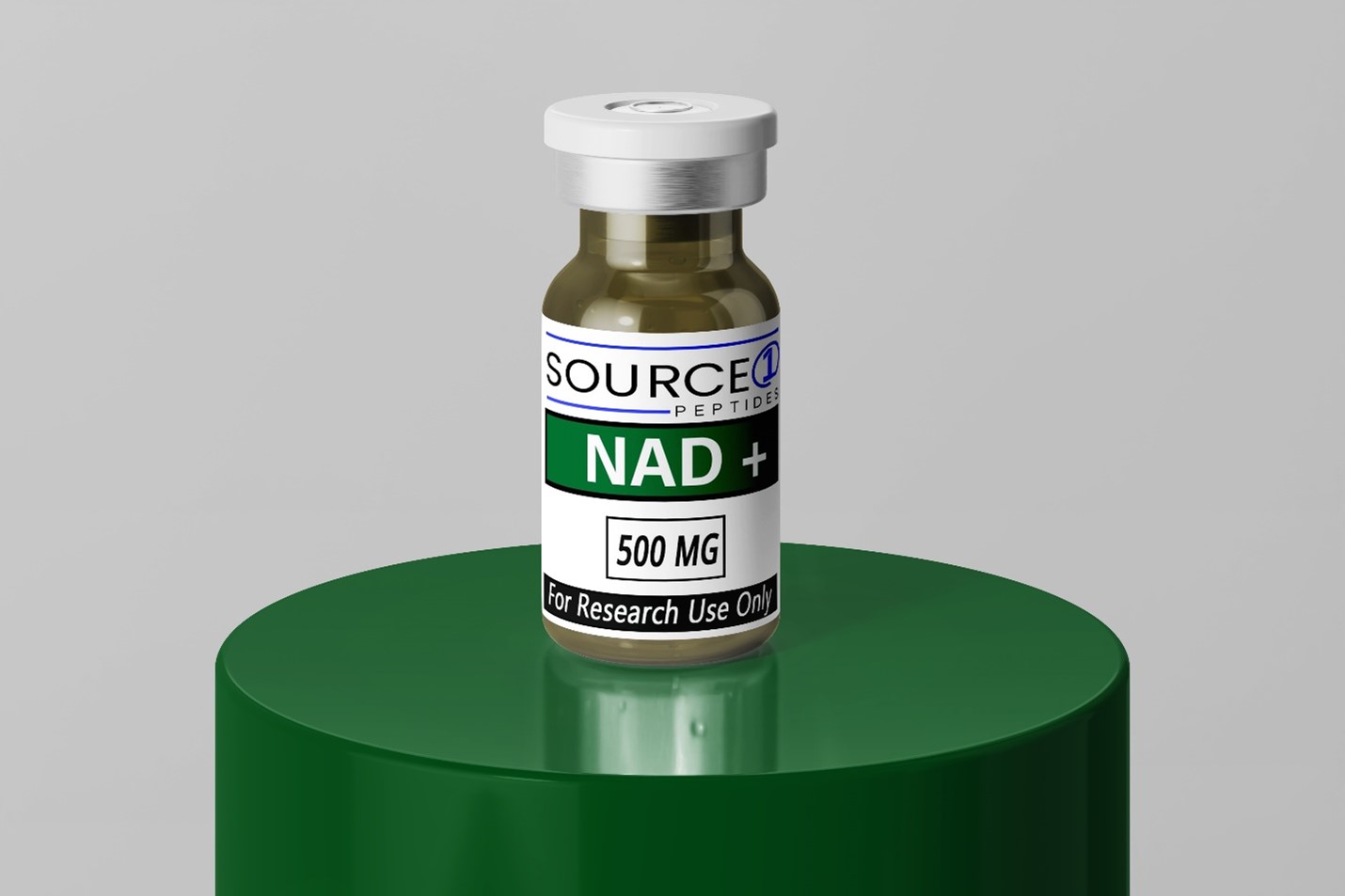
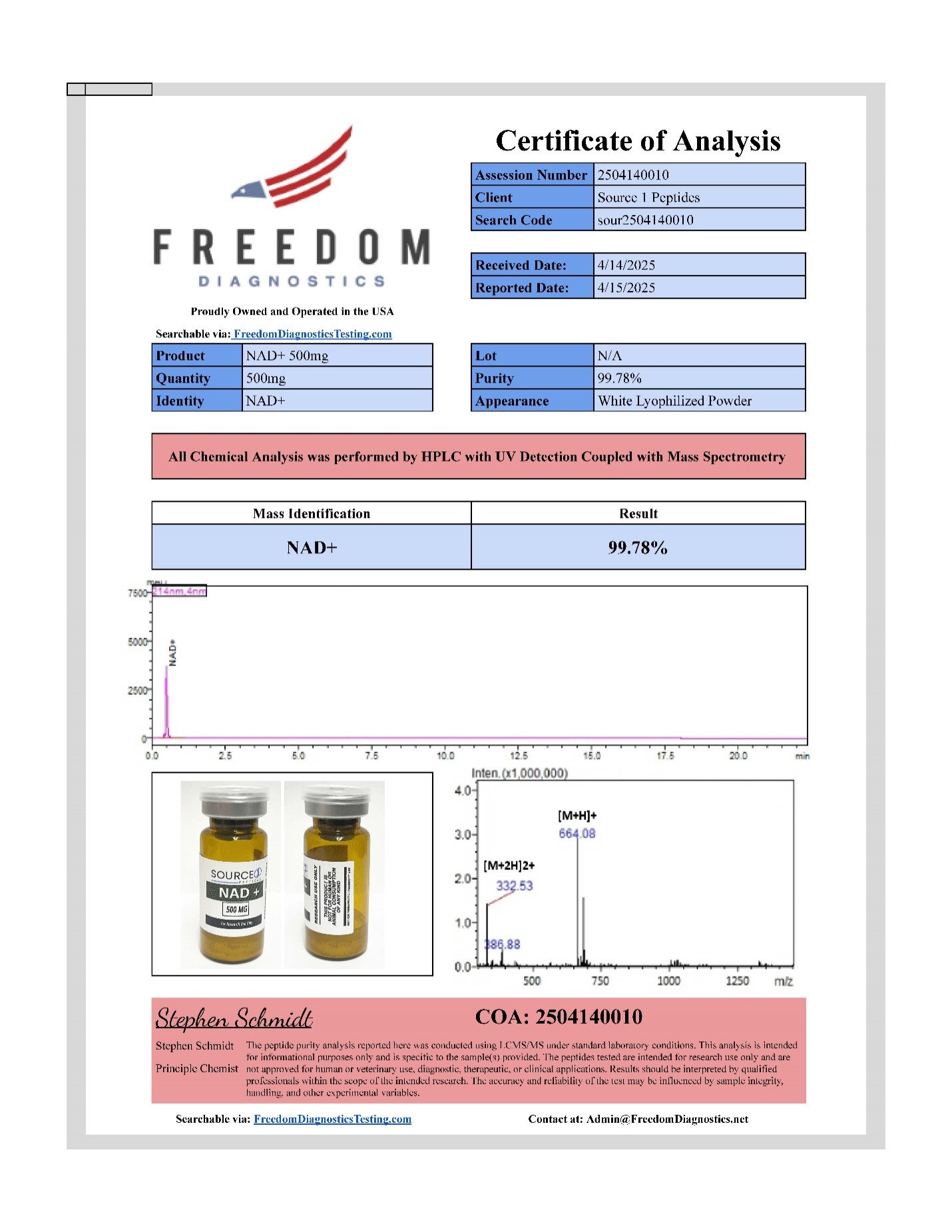
$75.00
Nicotinamide adenine dinucleotide (NAD+) is a crucial coenzyme involved in various metabolic processes, including glycolysis, β-oxidation, and oxidative phosphorylation. It also plays a significant role in post-translational modifications such as ADP-ribosylation and deacetylation, which are essential for energy metabolism, DNA repair, gene expression, and stress response.
22 in stock
Nicotinamide adenine dinucleotide (NAD+) is a crucial coenzyme involved in various metabolic processes, including glycolysis, β-oxidation, and oxidative phosphorylation. It also plays a significant role in post-translational modifications such as ADP-ribosylation and deacetylation, which are essential for energy metabolism, DNA repair, gene expression, and stress response.
NAD+ Description
NAD+ is a coenzyme involved in redox reactions and cellular metabolism. It has gained attention for its role as a signaling molecule, influencing processes such as energy metabolism, cell survival, and aging. NAD+ levels decline with age, leading to altered metabolism and increased disease susceptibility, which has spurred interest in NAD+-boosting molecules to enhance health and longevity.
NAD+ (Nicotinamide Adenine Dinucleotide):
NAD+ is a coenzyme that plays a central role in cellular energy metabolism and is essential for various biochemical processes, including DNA repair, gene expression, and mitochondrial function. As a vital molecule involved in redox reactions, NAD+ facilitates the transfer of electrons between molecules, enabling cells to generate ATP (adenosine triphosphate), the primary energy source for cellular activities. NAD+ has garnered significant attention in research for its potential applications in aging, neurodegenerative diseases, metabolic health, and overall cellular function.
NAD+ Research
NAD+ is involved in redox reactions and serves as a cofactor for various enzymes, including sirtuins and poly(ADP-ribose) polymerases. It plays a significant role in cellular processes such as metabolism, DNA repair, and chromatin remodeling, which are vital for maintaining tissue and metabolic homeostasis. A decline in NAD+ levels is observed with aging, contributing to age-associated diseases like cognitive decline, cancer, and metabolic disorders.
Aging and Longevity
NAD+ plays a significant role in aging and longevity. Research indicates that restoring NAD+ levels in aged or diseased animals can promote health and extend lifespan. This has led to the exploration of NAD+ precursors like nicotinamide riboside (NR) and nicotinamide mononucleotide (NMN), which have shown promise in ameliorating age-associated pathophysiologies.1
CD38, an NADase, plays a central role in age-related NAD+ decline. Inhibiting CD38 with specific inhibitors like 78c has been shown to reverse NAD+ decline and improve metabolic and physiological parameters in aging models. This includes enhanced glucose tolerance, muscle function, and cardiac performance. The increase in NAD+ levels activates pro-longevity factors such as sirtuins and AMPK, while inhibiting pathways like mTOR-S6K that negatively affect healthspan. This pharmacological strategy highlights the potential of targeting NAD+ metabolism to prevent or reverse age-related metabolic dysfunction.2
Metabolic Disorders
Alterations in NAD+ metabolism are closely linked to the development of metabolic disorders such as diabetes, obesity, and non-alcoholic fatty liver disease (NAFLD). NAD+ levels tend to decrease with aging and under conditions of nutrient disturbance, contributing to these disorders.3 The imbalance in NAD+/NADH ratios can lead to impaired cellular stress responses and metabolic dysfunctions, which are characteristic of metabolic diseases.4
Cardiovascular Diseases
Aging and metabolic stress are associated with a decline in NAD+ levels, which can lead to mitochondrial dysfunction and increased susceptibility to cardiovascular diseases.5 This depletion is linked to major risk factors such as obesity and hypertension, which contribute to the development of conditions like atherosclerosis and cardiomyopathies.6 The loss of NAD+ with age or stress underscores the importance of maintaining NAD+ levels to prevent cardiovascular dysfunction.7
Neurodegenerative Disorders
NAD+ participates in redox reactions and NAD+-dependent signaling processes, which are essential for modulating mitochondrial function and reducing oxidative stress, a common feature in neurodegenerative diseases. The activation of NAD+-dependent pathways can enhance cellular resilience against oxidative damage, which is crucial for maintaining neuronal health.8 Additionally, NAD+ influences axonal maintenance and viability, with its metabolism being a target for therapeutic interventions in neurological diseases.9
Research suggests that increasing NAD+ availability can ameliorate mitochondrial dysfunction and reduce neuroinflammation. This has been demonstrated in models of Parkinson’s disease, Alzheimer’s disease, and ALS, where NAD+ enhancement improved mitochondrial function, reduced neuroinflammation, and enhanced cognitive and synaptic functions. The Sirt1/PGC-1α pathway is one mechanism through which NAD+ exerts its protective effects, highlighting its potential as a therapeutic target.10
Mitochondrial Function
NAD+ metabolism is intricately linked to mitochondrial function. It acts as a substrate for sirtuins, a family of NAD+-dependent deacylases, which are key regulators of mitochondrial homeostasis. Increased NAD+ levels and sirtuin activation have been associated with improved mitochondrial function, organismal metabolism, and lifespan across various species.11
The source and transport of NAD+ within mitochondria have been subjects of debate. Recent studies have identified SLC25A51 as a mammalian mitochondrial NAD+ transporter, which is essential for maintaining mitochondrial NAD+ pools and respiratory function.12 The de novo synthesis of NAD+ has been shown to enhance mitochondrial function, with enzymes like ACMSD playing a critical role in regulating cellular NAD+ levels and sirtuin activity.11
Cancer Research
Cancer cells exhibit a unique metabolic phenotype known as the Warburg effect, characterized by increased glycolysis even in the presence of oxygen, which is supported by elevated NAD+ levels.12 The NAD+ salvage pathway is particularly important in cancer cells, as it is the primary method of NAD+ synthesis, and its inhibition has been shown to induce cancer cell cytotoxicity.13
NAD+ metabolism is not only crucial within cancer cells but also affects the tumor microenvironment. NAD+ and its metabolites can influence immune responses and contribute to the creation of an immunosuppressive tumor microenvironment.14 Enzymes such as CD38, which consume NAD+, are involved in producing immunosuppressive metabolites like adenosine, further impacting cancer progression and immune evasion.15
Targeting NAD+ metabolism presents a promising strategy for cancer treatment. Inhibitors of NAD+ biosynthesis, particularly those targeting nicotinamide phosphoribosyltransferase (NAMPT), have shown potential in preclinical models, although resistance mechanisms such as alternative NAD+ biosynthetic pathways can limit their effectiveness.16
References
Research Use Only – Important Disclaimer
This product is intended strictly for research purposes only. It is designated exclusively for in vitro testing and laboratory experimentation by licensed, qualified professionals. All product information provided on this website is for educational and informational purposes only. These products are not intended for human or animal use under any circumstances. They must not be used as food, drugs, cosmetics, or administered in any way to living organisms. Any use that constitutes misbranding, misuse, mislabeling, or purposes outside of scientific research is strictly prohibited. Product Handling and Presentation All products are supplied in lyophilized (freeze-dried) powder form, sealed in sterile vials. Each vial is clearly labeled with its exact contents, and certain products may be available in multiple quantity variations.
These products require proper laboratory equipment for safe reconstitution and testing, which may include but is not limited to: Bacteriostatic water Syringes and needles (for handling and reconstitution) Alcohol preparation pads While we make every effort to ensure that packaging, labeling, and product appearance match the images shown on our website, minor deviations may occur.
Legal and Regulatory Notes By purchasing from our website, you confirm that you are a licensed and qualified professional who understands the proper handling protocols, safety measures, and limitations associated with research chemicals
FDA Disclaimer: The products and information provided on this website have not been evaluated by the FDA. These products are not intended to diagnose, treat, cure, or prevent any disease or health condition. Key Classification Information Peptides and other research chemicals sold on this site are not recognized as dietary supplements.
These substances are classified strictly as research chemicals—intended solely for scientific or medical research in controlled laboratory environments. They are not intended for human or veterinary use, nor for any kind of bodily introduction.
These products are exempt from specific regulations under Title 21, Parts 100–740 of the Code of Federal Regulations (21 CFR), as clearly noted on their labeling. NOT SUITABLE FOR
HUMAN CONSUMPTION INTENDED FOR RESEARCH USE ONLY
The statements made within this website have not been evaluated by the US Food and Drug Administration. The statements and the products of this company are not intended to diagnose, treat, cure or prevent any disease. Source1Peptides is a chemical supplier. Source1Peptides is not a compounding pharmacy or chemical compounding facility as defined under 503A of the Federal Food, Drug, and Cosmetic act. Source1Peptides is not an outsourcing facility as defined under 503B of the Federal Food, Drug, and Cosmetic act. All products are sold for research, laboratory, or analytical purposes only, and are not for human consumption.



Reviews
There are no reviews yet.